

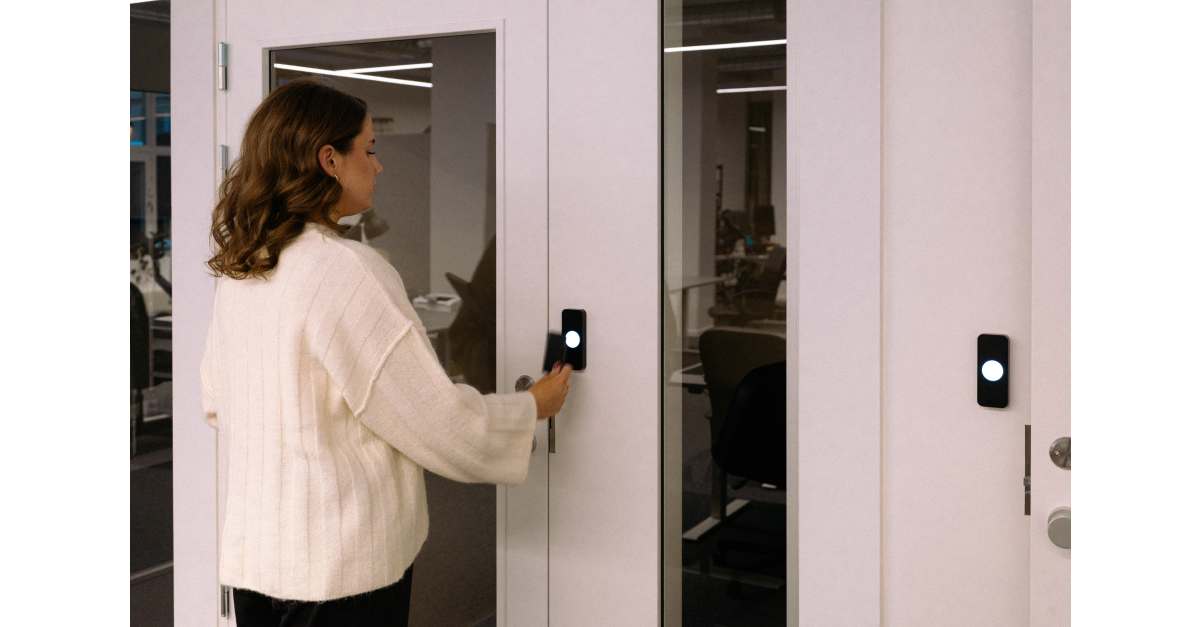
Security technology is evolving rapidly, driven by advancements in artificial intelligence, cloud computing, and automation. What was once limited to simple locks, alarms, and cameras is now becoming a fully integrated network of innovative, adaptive solutions. Businesses and property owners are increasingly seeking systems that not only prevent crime but also enhance safety, efficiency, and compliance. Partnering with a knowledgeable security system supplier ensures your upgraded protection plan is tailored to meet both current needs and future challenges. As these trends shape the market, understanding where security is headed will help you make better decisions for future upgrades.
Integration With Advanced Fire Safety Measures
Modern workplaces require more than just intrusion prevention. They demand a comprehensive approach that addresses multiple risks at once. Integrating fire safety systems into broader security networks is becoming a key trend.
By combining smoke detection, heat sensors, and automated suppression equipment with central monitoring, response times can be drastically reduced. Data from fire detection devices can now be instantly relayed to security hubs, mobile devices, and even emergency services, allowing for coordinated responses that protect both lives and property. This level of integration is expected to become standard in new installations.
The Rise Of Comprehensive Security Partnerships
As technology advances, it will be more important than ever to collaborate with a seasoned security system provider. Businesses are moving toward long-term partnerships with providers who can deliver end-to-end solutions—from initial consultation and installation to maintenance, upgrades, and compliance support.
Future suppliers will need to offer multi-layered protection, blending intrusion detection, access control, surveillance, and environmental monitoring. They will also play a critical role in helping clients adapt to new regulations and technological shifts, ensuring that systems remain effective for years to come.
Brighter Emergency Lighting And Safety Enhancements
Preparedness for emergencies is taking on a smarter, more connected form. Leading emergency lighting manufacturers are introducing systems that integrate with building management platforms and security networks. These new solutions can adjust lighting levels based on sensor input, guide occupants toward safe exits, and perform automated self-tests to ensure readiness without manual intervention.
In the future, emergency lighting will work in harmony with alarms, surveillance, and access control to create a seamless evacuation experience. The emphasis will be on energy efficiency, durability, and adaptability to different emergency scenarios.
Artificial Intelligence And Predictive Analytics
AI is transforming the way security systems operate. Cameras and sensors are now capable of recognising unusual patterns, identifying potential threats before they escalate, and reducing false alarms. By using past data to predict events, predictive analytics enables proactive rather than reactive responses.
For example, AI-driven surveillance can detect loitering, unusual movement patterns, or even changes in environmental conditions that might indicate a security risk. This predictive capability will likely become a core feature of next-generation systems.
Cloud-Based Security And Remote Management
Cloud technology is making it easier than ever to monitor and control security systems from anywhere. Users may lock or unlock doors, watch live video feeds, and get immediate notifications via secure mobile apps with remote access. Cloud storage also ensures that critical data is backed up and easily retrievable in case of an incident.
As cybersecurity threats grow, security providers will increasingly invest in encrypted communication and robust authentication measures to protect sensitive information.
The Move Toward Unified Platforms
One of the most notable trends is the shift toward unified security platforms that manage all components—CCTV, alarms, access control, environmental monitoring—through a single interface. This approach reduces complexity, improves efficiency, and ensures that all parts of the system work together seamlessly.
A safer and more effective environment is produced by unified platforms, which also facilitate integration with other building systems like HVAC, lighting, and energy management.
Sustainability In Security Solutions
As environmental concerns continue to rise, security technology is also moving toward sustainability. Energy-efficient lighting, solar-powered cameras, and recyclable materials are being incorporated into modern systems. To lessen waste and its influence on the environment, manufacturers are also concentrating on prolonging the life of their products.
Final Thoughts
The future of security systems lies in intelligent integration, advanced safety measures, and adaptability to new challenges. The focus will be on developing more inventive, secure, and effective spaces, whether that is achieved through the smooth integration of Fire Safety Systems, sustained partnership with a progressive security system provider, or the creativity of emergency lighting producers.